Table Of Content
I fly a Cessna 172N, which comes with a POH with lots of information. One of the more useful tables is the Cruise Performance table shown below (Figure 1). The chart gives the fuel flow rate and true airspeed for various combinations of pressure altitude, temperature, and engine percent power. Unfortunately, the table only provides data at the max gross weight of 2300 lbs. Furthermore, my aircraft recently had an Air Plains modification, replacing the existing 160 hp Lycoming O-320-D2G with a 180 hp O-360-A4M, with a commensurate increase in max gross weight from 2300 to 2550 lbs.
Baggage capacity
While the 172 was already a success story, Cessna aimed to cater to a market segment that desired more power, range, and carrying capacity. A high-hour flight school unit made in the 1980s and without avionics upgrades goes for as low as $58,000, but low-time or overhauled airframes can fetch up to $280,000. Most Cessna 172 listings orbit around the $80,000-$120,000 range. If the Skyhawk is a timeless classic, its seatbelts are hard as loved.
Fuel Capacity
If you're flying an unpressurized aircraft, the reduced rate of climb can also help mitigate pressure changes that your passengers experience. Remember this tip if you have a sick passenger, young child, or baby on board. Vcc is commonly called "enroute climb speed", and it's always faster than Vy. Unless a steep climb is required to avoid terrain or to fly a departure procedure, cruise climb speeds allow you to fly faster, with a relatively small loss of climb performance.
How Does The Cessna 172 Compare To Other Planes?
Two issues common to the entire Cessna 172 family are excessive nosewheel shimmy and cowl vibrations. The former can make ground handling uncomfortable, particularly for untrained pilots, and can be addressed with aftermarket dampers. Cowl vibrations are known to damage the landing lights, which have borne a series of modifications such as wing-mounted lights or LED ones. The Cessna 172 was introduced and marketed as a trainer for the modern age, with its chief departure from previous Cessna designs being a tricycle gear configuration.
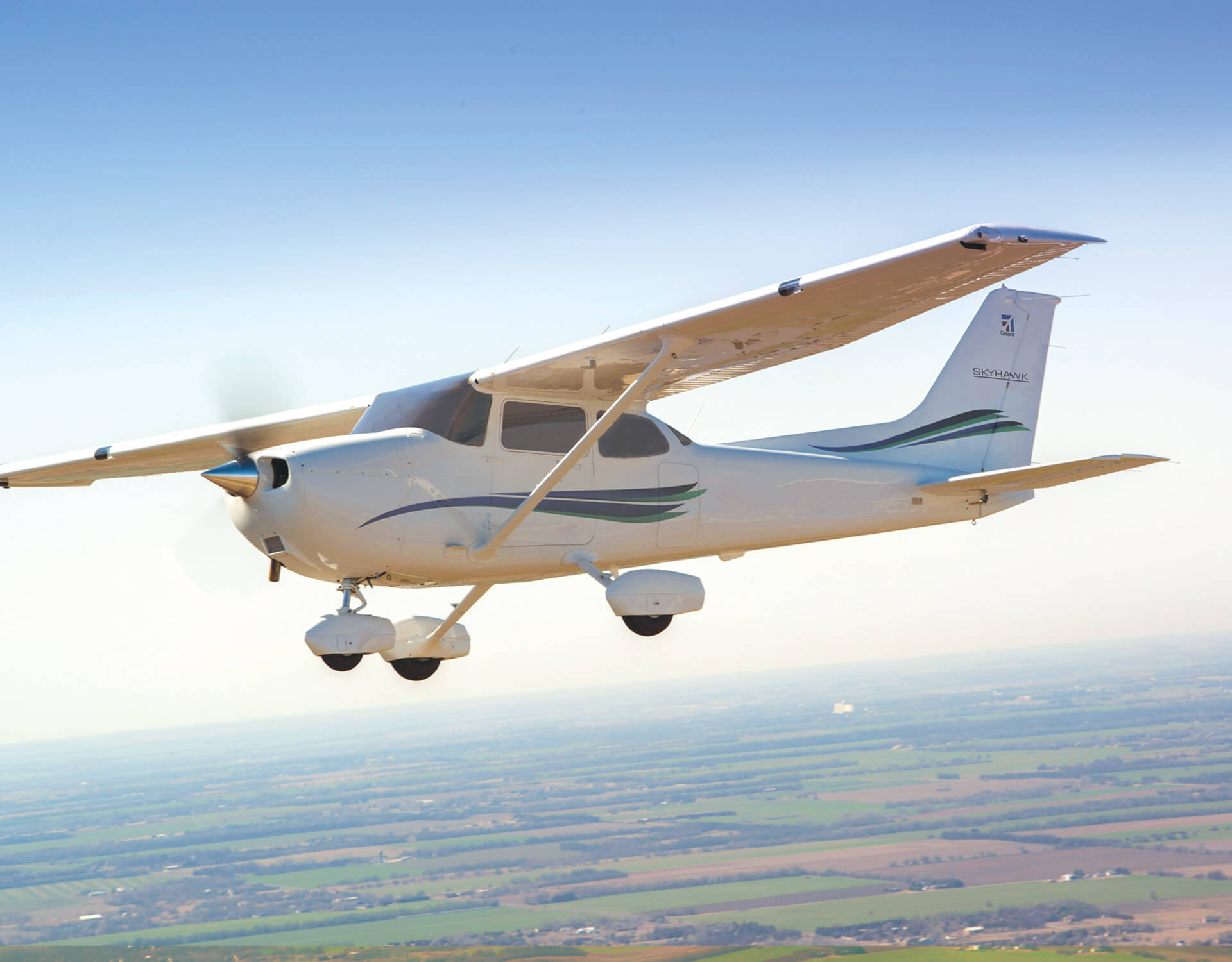
Cessna 172 Skyhawk – The Cessna 172, with its dependable Lycoming IO-360-L2A engine, boasts a cruise speed of approximately 125 knots. But even the Cessna 172S has a recommendation for cruise climbs. The Cessna 172’s popularity makes it one of the most accessible planes to own in terms of parts availability. Shops all over the US and the world are stocked with almost everything an owner will need to maintain a Skyhawk airworthy. This also applies to many of the modifications outlined above, as they grow increasingly common in the global 172 fleet.
Performance
But it is worth noting, the Cessna 172 is arguably the most popular plane ever created by this famous plane manufacturer. It may not blow you away with speed, but other features and the overall simplicity of the design make it a top performer. The 172M of 1973–76 gained a drooped wing leading edge for improved low-speed handling.
Flight Test: Cessna 172 amphibian - Pilot Magazine
Flight Test: Cessna 172 amphibian.
Posted: Fri, 02 Dec 2016 08:00:00 GMT [source]
The new powerplant on the 172N increased it to a zippy 770 fpm, which was then decreased to 720 fpm with the 172R because of its heavier empty weight. The service ceiling for the Cessna 172F is 13,000 ft, compared with 14,200 ft on the 172N and 13,500 ft on the 172R. The Cessna 172 has seen a steady decrease in useful loadout over the years due to increases in empty weight. On the 172R, however, when comparing empty weights, these are, respectively, 1,260 1,379 lbs.
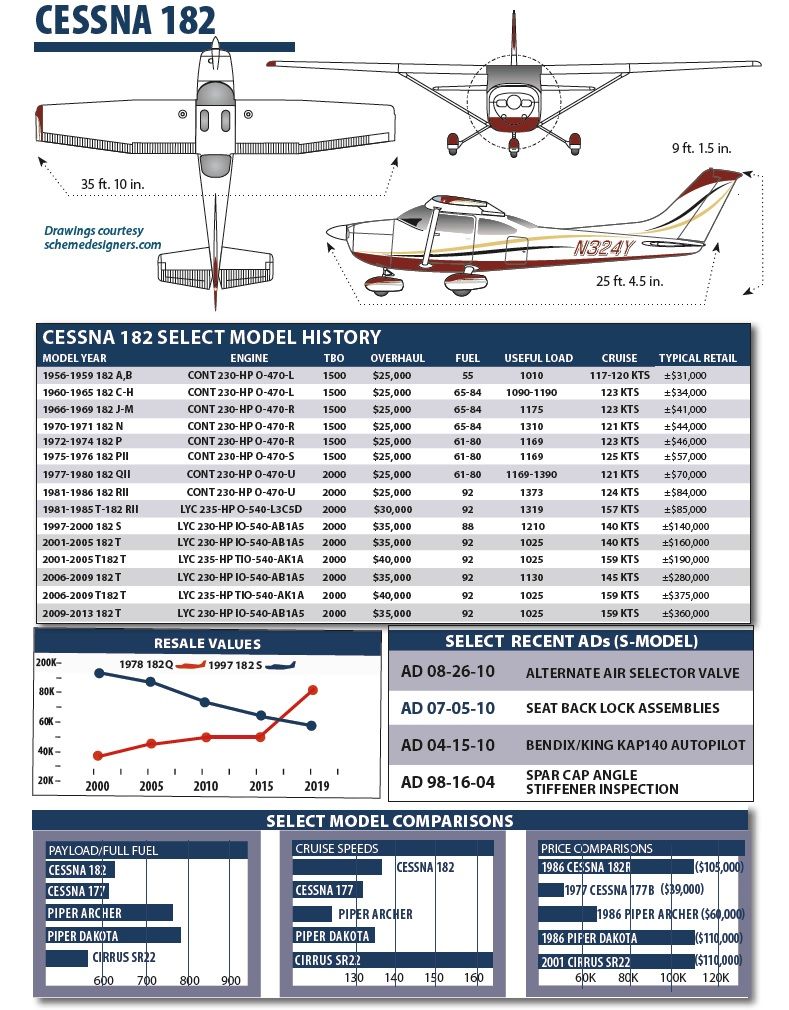
For those prioritizing distance, altitude, and speed, the C182 stands out. Yet, the C172 compensates for its performance differences with its cost benefits. Ultimately, the decision hinges on individual preferences and needs, whether for personal trips, training, extended journeys, or versatile missions. Cessna 172 Skyhawk – The Skyhawk’s fuel efficiency, combined with its standard fuel capacity, allows for a range of approximately 800 miles, making it suitable for regional trips and day-long excursions. Cessna 182 Skylane – The 182’s Lycoming IO-540-AB1A5 engine, while robust and reliable, is also more complex. This can sometimes lead to higher maintenance costs, especially if specialized work is required.
A marginal increase, but enough to cause trouble to a pilot accustomed to older models. The Cessna 172 Skyhawk is a popular aircraft for recreational flying and private pilots. The aircraft includes integrated cockpit avionics for advanced flight capabilities. The 1967 model 172H was the last Continental O-300 powered model. It also introduced a shorter-stroke nose gear oleo to reduce drag and improve the appearance of the aircraft in flight.
Note that even if you can stretch the plane to fly five-plus hours per leg, do consider whether you can handle being cooped up for that long without a break. You may prefer to fly faster with fuel stops that will double as an opportunity to get out and stretch—and use a toilet. However, previously another instructor told me for a C172 a power setting between 62% and 65% is the best balance between performance and engine care. Cessna 182 Skylane – The Cessna 182, given its larger engine and enhanced performance capabilities, has a slightly higher fuel consumption rate, typically around gallons per hour. Cessna 182 Skylane – The Cessna 182 Skylane, with its enhanced features and more powerful engine, comes with a higher price tag than the 172. Lycoming’s O-320 was not without flaw – the H2AD series introduced in 1977 with the Cessna 172F offered a massive jump in performance, but it also brought along plenty of growing pains along.
The latest Cessna 172 in production, the 172S, already comes with a Garmin 1000 suite installed. Over the years, Cessna 172 operators have grown to use between $15 and $30 in maintenance per flight hour as an estimate, distributed between regular maintenance, inspections, and overhauls. The cabin interior is spacious, with a height of 48 inches, a width of 40 inches, and a total length of 11 feet 10 inches with four seats. All data and research has been compiled through technical data sheets directly from Cessna to provide the most accurate information for readers.
Skyhawk owners enjoy some of the largest and most loved type clubs in the market. These include the Cessna 172 Club, the Cessna Flyer Association, and the Cessna Owner Association, on top of many smaller types of clubs, forums, and Facebook groups. Technicians have also reported that the cylinders on the Continental models are more prone to leaks, particularly over the 1000-hour mark, and usually need replacement before their target useful life. One of the most common upgrades for the Cessna 172 family in recent years has been an avionics overhaul to replace the original panel partially or fully with digital instruments.
This led to exponentially higher engine wear and caused several accidents due to engine failures. Owners of early Cessna 172 models still equipped with Continental engines must contend with significantly pricier maintenance and overhaul costs. Maintenance has remained largely identical across the Skyhawk family range, with the main changes affecting seat comforts and avionics. The latter used to only affect communication and navigation gear, but Cessna’s latest 172S brought about a full shift to a glass cockpit with the Garmin 1000 suite.
Early 172s were similar in appearance to the 170s, with the same straight aft fuselage and tall landing gear legs, although the 172 had a straight tailfin while the 170 had a rounded fin and rudder. In 1960, the 172A incorporated revised landing gear and the swept-back tailfin, which is still in use today. Measured by its longevity and popularity, the Cessna 172 is the most successful aircraft in history.
So finally, using data in the C172N POH, let’s plot this nondimensional function as a function of the coefficient of lift (see Figure 3). I now make the claim that the function above depends strongly on the coefficient of lift, and only very weakly on advance ratio. To show this, again using the performance chart provided by Cessna, I plot the advance ratio as a function of coefficient of lift (see Figure 2).
In this article, we’ll delve deep into the specifics of the Cessna 172 versus 182, comparing their cruise speeds, cabin sizes, and other vital features. By the end, you’ll have a clear understanding of what sets these two iconic planes apart and which might be the right fit for your aviation journey. While this example was limited to the Cessna Caravan, in most airplanes you'll find that the percentage change in FPM is relatively small in comparison to the substantially better airspeed flown at cruise climb. So what aircraft have a cruise climb speed, and what types of aircraft benefit most from it?


No comments:
Post a Comment